EV Charging
How Much Does EV Charger Installation Cost in Leesburg, Florida?
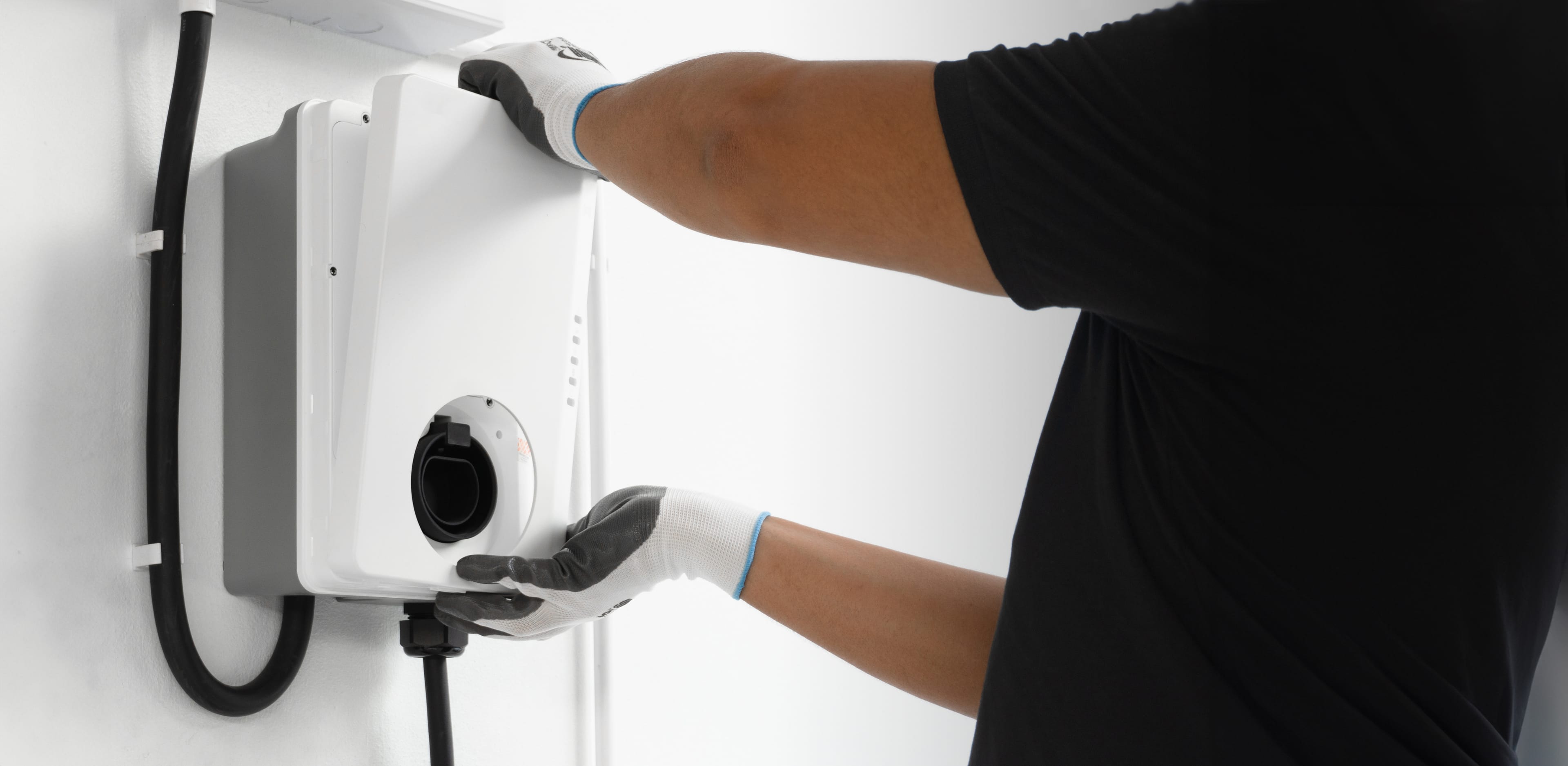
As electric vehicles become more common across Leesburg, Lake County, The Villages™, and surrounding Central Florida communities, more homeowners are choosing to charge their vehicles at home.
One of the first questions we’re asked is:
What Does It Cost to Install an EV Charger at Home in Leesburg, FL?
For a customer-supplied Level 2 EV charger, the cost depends partly on whether the charger is hardwired or connected through an EV charging receptacle, as well as the distance between the electrical panel and charging location.
Here are two common installation examples:
EV Charger Beside the Electrical Panel
Hardwired Customer-Supplied EV Charger
$615 (approx.)
EV Charging Receptacle
$830 (approx.)
When the charger or receptacle can be installed beside or very close to the electrical panel, this is one of the most straightforward EV charging installations we perform.
EV Charger Up to 25 Feet from the Electrical Panel
Hardwired Customer-Supplied EV Charger
$920 (approx.)
EV Charging Receptacle
$1,135 (approx.)
When additional wiring is needed to reach the charging location, installation cost increases.
Permit and inspection fees are not included in these examples. In Charge Electric's permitting charge is $345.
These examples assume the existing electrical system has adequate capacity and that significant additional electrical work, unusual access conditions, or service modifications are not required.
What Is Included in a Typical EV Charger Installation?
A typical installation includes:
- A dedicated 240-volt circuit for EV charging
- A load calculation to evaluate available electrical capacity
- Correct breaker and conductor sizing
- Wiring from the electrical panel to the charging location
- Mounting and connecting the customer-supplied charger when hardwired
- Installation of the appropriate receptacle when an EV outlet is selected
- Required electrical connections
- Testing of the completed installation
The exact requirements depend on the charger, its electrical specifications, the installation method, and the home's existing electrical system.
Hardwired EV Charger or EV Outlet?
Level 2 EV charging equipment can commonly be installed in one of two ways: hardwired directly to the electrical circuit or connected to a properly installed EV charging receptacle.
A hardwired installation eliminates the receptacle and plug connection between the electrical circuit and charger.
Some homeowners prefer an EV receptacle because their charger is designed to plug in or because they want the ability to unplug and remove the charger.
EV charging receptacles require additional equipment, including GFCI protection, which is one reason the receptacle installations shown above cost more than comparable hardwired installations.
The appropriate installation method depends on the EV charger being used, its electrical requirements, installation location, and manufacturer's instructions.
What Factors Can Increase Installation Cost?
The distance between the electrical panel and charging location is one of the biggest factors affecting installation cost.
For example, installing a charger beside the panel requires considerably less wiring than installing one on the opposite side of a garage or farther away from the electrical panel.
Other conditions that can increase the cost include:
- Wiring distances greater than 25 feet
- Detached garages
- Attic or other difficult-access wiring
- Outdoor installations
- Masonry or concrete construction
- Trenching or underground wiring
- Electrical panel capacity
- Existing electrical equipment that needs modification
- The size and electrical requirements of the EV charger
We also perform installations beyond 25 feet. Those projects are priced according to the actual installation requirements.
Will My Electrical Panel Handle an EV Charger?
Not every home needs a new electrical panel or service to install an EV charger.
Before installing the charger, we evaluate the existing electrical system and perform the appropriate load calculation to determine whether sufficient electrical capacity is available.
Having a 100-amp electrical service, for example, does not automatically mean the electrical service must be upgraded simply because you're adding an electric vehicle charger.
What matters is the home's existing electrical load, available capacity, charger requirements, and overall electrical configuration.
What If My Electrical Panel Can't Accommodate the EV Charger?
If the existing electrical system cannot accommodate the proposed EV charger installation, there may be several possible solutions depending on the home.
In some cases, the additional electrical work may be relatively minor. In others, the electrical panel may need to be replaced or modifications to the home's electrical service may be required.
If the existing panel needs replacement but significant service modifications are not required, a straightforward electrical panel replacement performed by In Charge Electric typically ranges from $2,900 to $3,700, plus permitting.
A panel replacement is not necessarily the same thing as an electrical service upgrade.
If accommodating the EV charger requires significant service modifications or an actual increase in the home's electrical service capacity, the project can cost more and needs to be evaluated individually.
Do I Need a 200-Amp Service for an EV Charger?
Not necessarily.
The size of the electrical service is only one part of determining whether a home can accommodate EV charging.
A home with a smaller electrical service may still have sufficient available capacity, while another home with a larger service may already have substantial electrical loads.
That's why we perform a load calculation rather than automatically recommending a service upgrade based solely on the size of the existing electrical service.
Do EV Chargers Require a Permit?
EV charger installations generally involve the installation of a new dedicated electrical circuit and require permitting and inspection based on the applicable local jurisdiction.
Permit and inspection fees are not included in the installation prices shown above. In Charge Electric's permitting charge is $345.
We handle the necessary permitting and inspection coordination associated with the electrical work.
Why Are Load Calculations Important?
A Level 2 EV charger can represent a significant continuous electrical load.
Before adding that load to the home, we need to determine whether the existing electrical system has adequate capacity.
A proper evaluation helps determine the appropriate circuit size, charger configuration, and whether changes to the existing electrical system are necessary.
It also prevents automatically assuming that a homeowner needs an electrical service upgrade simply because they're adding an EV charger.
Can I Supply My Own EV Charger?
Yes.
The charger installation prices in this article are specifically based on installation of a customer-supplied EV charger.
Before installation, we verify the electrical requirements of the charger and make sure the proposed circuit and installation method are appropriate for the equipment.
If you haven't purchased your charger yet, knowing where you want it installed and having information about the vehicle and charger you're considering can help us discuss the available options with you.
EV Charger Installation in Leesburg and Surrounding Areas
In Charge Electric provides residential EV charger installation throughout Central Florida, including:
- Leesburg
- Fruitland Park
- Tavares
- Eustis
- The Villages™
- Lake County
- Sumter County
- Marion County
- Citrus County
If you're considering installing a Level 2 EV charger, we can evaluate your electrical system, review the proposed charging location, and provide a clear price for the work required.
Schedule Your EV Charger Installation
Call In Charge Electric today at (352) 350-7878 or visit our contact page to request service. We'll evaluate your existing electrical system, determine what's required for your charger, and provide a clear price before the work begins.
Worry-free electrical repair. Done right the first time.